Tackling South Africa’s big transmission challenge also holds big opportunities

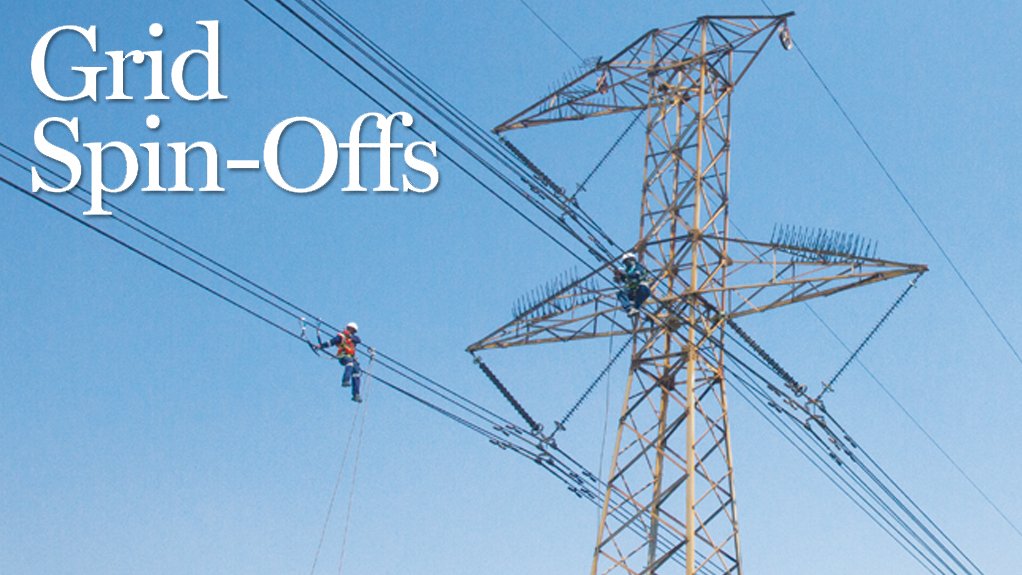
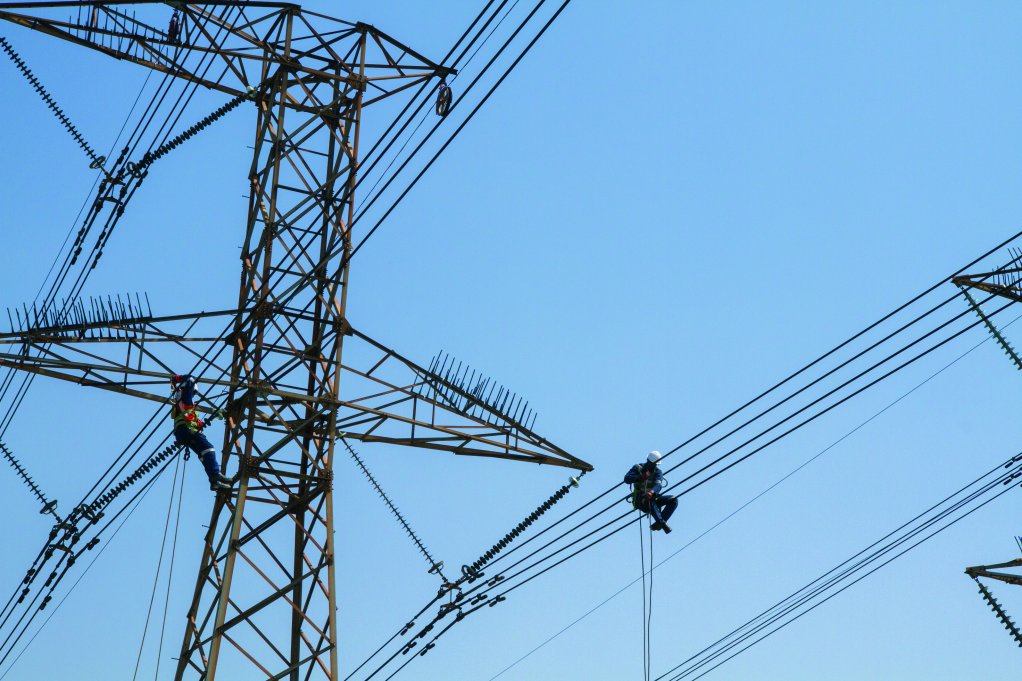
FIXING THE GAP There have been years of underinvestment in grid infrastructure
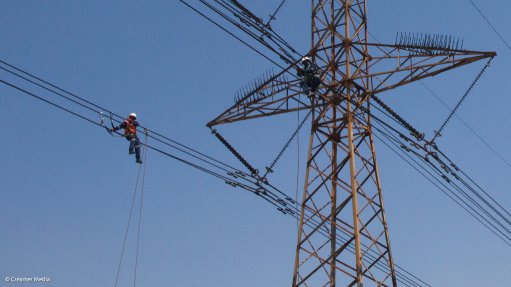
Photo by Creamer Media
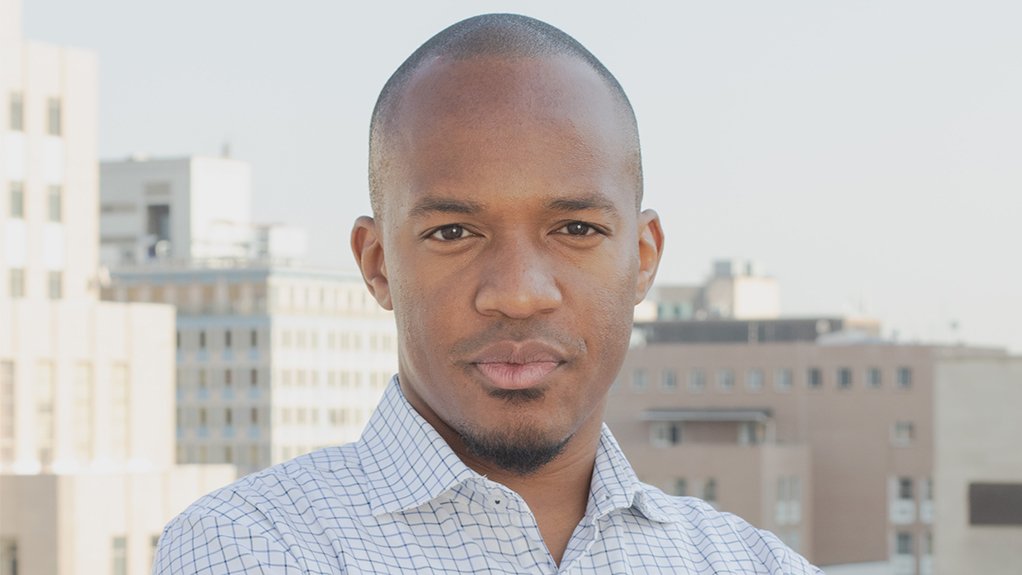
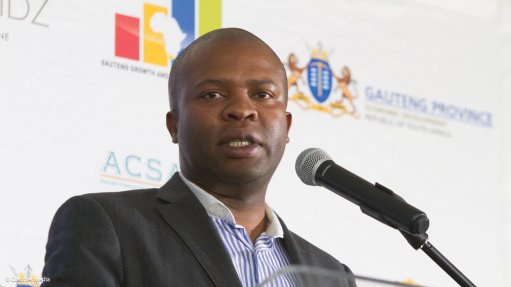
Seifsa CEO Tafadzwa Chibanguza
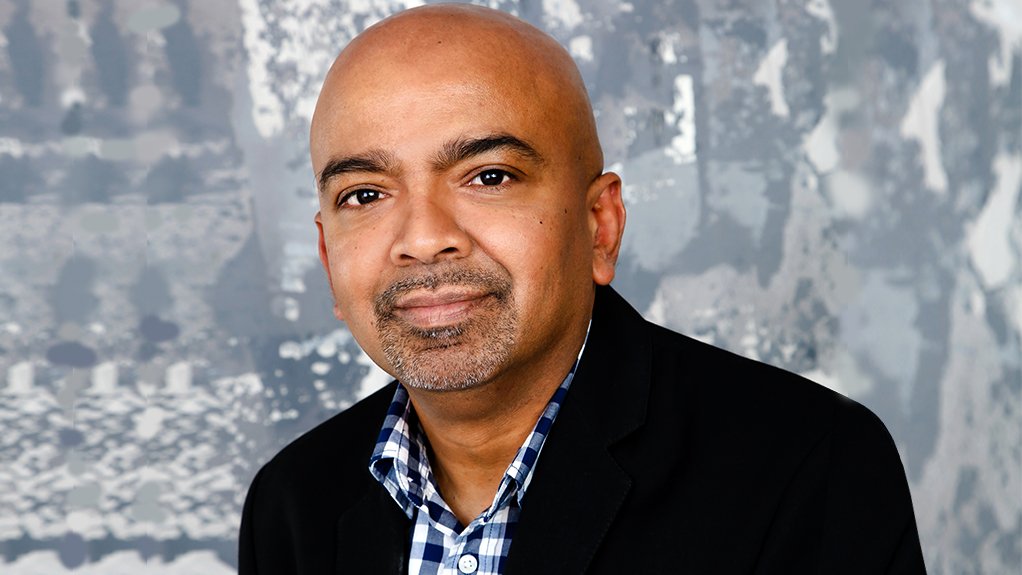
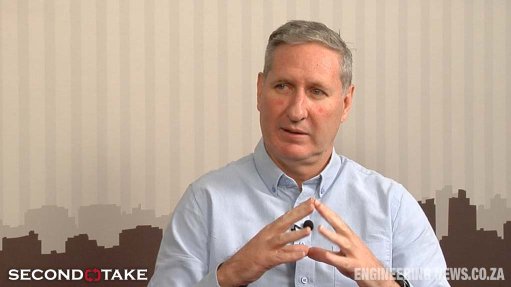
ACTOM CEO Mervyn Naidoo
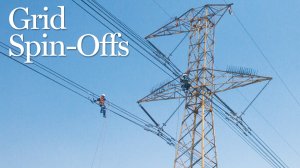
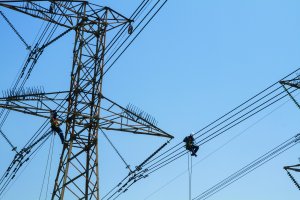




South Africa’s transmission grid constraints are widely recognised, with a host of challenges and considerations that if properly leveraged also offer considerable opportunities.
This was highlighted by speakers during a recent Creamer Media webinar, ‘Investing in South Africa’s Electricity Transmission Grid’, the second of a two-part Energy Outlook series featuring a practical discussion on the country’s electricity transmission infrastructure.
The webinar hosted a panel of experts, facilitated by experienced renewables consultant Brian Day. Participants included National Transmission Company South Africa (NTCSA) energy market services GM and international trader Andrew Etzinger, Steel and Engineering Industries Federation of Southern Africa (Seifsa) CEO Tafadzwa Chibanguza, ACTOM CEO Mervyn Naidoo, Department of Electricity and Energy (DEE) Independent Power Producer Office head Precious Mmabakwena Edward, Engie South Africa renewables and batteries MD Sanjeev Mungroo and Discovery Green head Andre Nepgen.
Edward highlighted the clear impact of grid constraints, particularly during the recent bid windows of the Renewable Energy Independent Power Producer Procurement Programme in the Cape regions, which affected the scale and pace of the programme.
“With this being recognised as a system-wide challenge, the DEE has been engaging constructively with various stakeholders to explore opportunities to streamline current processes and inform future approaches. These engagements are deemed essential to progressively unlocking the investment envisaged in the IRP 2025, and to ensure that the next rounds are approached in an orderly manner, to ensure bankability and build sustainable impact,” she said.
Etzinger attributed the current situation to years of underinvestment in grid infrastructure, noting that South Africa’s generation mix is “very different” to what it was in the past, while considerable renewable-energy capacity has come on stream in different regions and demand for connectivity has increased, with the country starting from a very low base.
Addressing this challenge calls for a multifaceted effort, with the NTCSA, working alongside relevant stakeholders, being “up to the challenge”.
As reported by Engineering News last year, in line with the 2024 Transmission Development Plan (TDP), the NTCSA has identified 75 projects that will enable about 37 GW of new generation connection capacity to be connected by 2030. These projects include the construction of 3 000 km of transmission lines, of which 455 km have been completed, along with about 28 000 MVA of transformer capacity, of which 5 800 MVA has been commissioned.
More than 2 500 km of lines and 24 000 MVA of transformer capacity are either in procurement or under construction, equating to about 22 GW of future connection capacity.
Challenges and Considerations
Nepgen warned that transmission constraints were delaying new generation from coming onstream.
While the former is necessary in the short term to unlock more generation capacity, it introduces additional costs and reduces the attractiveness of projects. As for the latter, with timelines now extending up to 2030 and beyond, companies might lack the appetite to commit to projects that will start delivering energy only from that time onwards, he pointed out.
Consequently, the country might be tempted to pursue easier alternatives, such as connecting more solar projects, an approach that could have unexpected consequences, including the worsening of the so-called “duck curve”, Nepgen said, referring to a midday bulge in solar energy generation that must be covered during peak demand periods.
Considering the duck curve and other risks, Etzinger emphasised that the NTCSA will continue to focus on ensuring the operability and integrity of the grid, with its risk systems fine-tuned through the “havoc” of loadshedding, when it managed to continue operating in a “conservative and responsible” manner.
He highlighted the importance of deploying a variety of technologies to deal with the variability of solar generation, including more battery energy storage systems and high-quality wind assets. Until the grid is developed further, innovations need to be considered to reduce congestion at certain nodes, including exploring ways to stimulate demand upstream of those points.
Mungroo noted that rolling out transmission programmes takes considerable time and reiterated the call for greater use of technology and smart solutions, with storage forming part of the mix, alongside hybrid plants and flexible dispatch offerings, to relieve some of the congestion in the near term while pursuing the bigger programme.
He suggested encouraging consumption in congested regions through innovative tariff structures and incentives to stimulate demand.
Etzinger also pointed to a shift in the timing of the system’s lowest demand – which was always at about 02:00 – but has moved to midday over the past six months, underlining the importance of flexibility.
“The big test in the future is how do we make the grid, everything connected to the grid, and the demand and . . . supply side, more flexible. That’s what the market is going to have to really focus on.”
Servitudes were another key focus area, with efforts under way to unlock them, he added.
Concerning the procurement phase, Etzinger said that all the essential components across the value chain are in place, allowing the process to be “vastly accelerated”. The NTCSA is open to different models of delivery and development, he indicated.
Etzinger underscored the importance of an industry-wide effort, noting that the NTCSA will launch a School of Transmission Development next month, which will offer live lines to the industry to come up to speed.
Bolstering Local Value
Mungroo said the work to unbundle Eskom and establish a competitive electricity market is aligned to international best practice, with this expected to unlock investment in infrastructure and decarbonisation initiatives.
“Our current constraints of reliance on coal and constrained transmission are opportunities, and these have been seen before. India has been heavily reliant on coal, but [is] now a leader in innovative and rapid renewable rollout. Chile has a unique geography, which meant major regional congestion, which catalysed major transmission investment ,” he explained, also highlighting the company’s commitment to this process in South Africa, building on its work in other countries.
Naidoo highlighted that the country’s grid expansion offered opportunities for the manufacturing sector, which could undertake the requisite work but has been hampered by a lack of investment in transmission and distribution infrastructure over several years.
Chibanguza said while the country’s steel and engineering sector is in a position to undertake the work, it is contending with the major issue of underused capacity. He called for investment to be directed to underused capacity across the industry.
Etzinger highlighted that expanding the grid offered the opportunity to create new value chains, thereby bolstering employment, while also growing the economy.
“What this grid expansion gives us is demand and, more importantly, predictable demand over the next 15 to 20 years, which is actually the perfect kind of investment rationale for companies in the manufacturing sector to invest in capacity creation and, with that, meet the demand for infrastructure by means of building up all the various building blocks that go into this infrastructure. We’ve got a social and economic crisis in the country; this is then the perfect means of triggering investment in reindustrialisation, specifically in the manufacturing sector,” Naidoo agreed.
He called for a move towards strategic procurement and away from transactional procurement, to allow for investment in capacity.
“A lot of local companies have been gearing up for what’s coming in the Independent Transmission Project (ITP) and TDP,” Naidoo said, adding that ACTOM has invested in transformer manufacturing capacity, trebling its capacity.
“These are huge investments, and . . . for companies to invest in this, we need predictability and bankability to enable the return, and it only comes through policy, and it has to be deliberate. Beyond just investment in capital, we also need to look at the life- cycle cost and the life-cycle support for that product. If you localise, you’re then able to maintain that product across the full life- cycle and maximise plant availability and reliability. These are key factors beyond economic and social benefits.”
Naidoo also advocated for deliberate policy aligned with demand to drive localisation and job creation, which, he said, will ultimately stimulate and accelerate GDP growth.
Mungroo called for clear, bankable transmission policy and transparent grid allocation. He also urged a streamlined permitting process, alongside more competitive, open- access transmission tariffs.
Chibanguza emphasised the need to finalise public procurement regulations that underpin the Public Procurement Act to ensure that designation and localisation issues are properly accounted for, while encouraging policy coordination.
Edward added that, to achieve a much more improved outcome in the next bid window, generation procurement needs to be sequenced and aligned with transmission planning.
“It is a critical consideration in the implementation of the IRP 2025. The work is [at an] advanced stage; there is engagement with key stakeholders,” she highlighted, citing the Department of Trade, Industry and Competition as an entity that is assisting with the best options to create and advance opportunities for locals.
While she pointed out that the next updated TDP, slated for release later this year, is integrated with the generation planning side for the first time, Etzinger affirms that the dovetailing of these two planning processes is a “very big and necessary step”.
Article Enquiry
Email Article
Save Article
Feedback
To advertise email advertising@creamermedia.co.za or click here


Projects

Latest Multimedia

Latest News

Showroom

CMTS is a leading, well-established EC&I contractor with 37+ years of mining and industrial experience. We execute full-scope EC&I projects with...
VISIT SHOWROOM



Announcements
What's On
Subscribe to improve your user experience...
Option 1 (equivalent of R125 a month):
Receive a weekly copy of Creamer Media's Engineering News & Mining Weekly magazine
(print copy for those in South Africa and e-magazine for those outside of South Africa)
Receive daily email newsletters
Access to full search results
Access archive of magazine back copies
Access to Projects in Progress
Access to ONE Research Report of your choice in PDF format
Option 2 (equivalent of R375 a month):
All benefits from Option 1
PLUS
Access to Creamer Media's Research Channel Africa for ALL Research Reports, in PDF format, on various industrial and mining sectors
including Electricity; Water; Energy Transition; Hydrogen; Roads, Rail and Ports; Coal; Gold; Platinum; Battery Metals; etc.
Already a subscriber?
Forgotten your password?
Receive weekly copy of Creamer Media's Engineering News & Mining Weekly magazine (print copy for those in South Africa and e-magazine for those outside of South Africa)
➕
Recieve daily email newsletters
➕
Access to full search results
➕
Access archive of magazine back copies
➕
Access to Projects in Progress
➕
Access to ONE Research Report of your choice in PDF format
RESEARCH CHANNEL AFRICA
R4500 (equivalent of R375 a month)
SUBSCRIBEAll benefits from Option 1
➕
Access to Creamer Media's Research Channel Africa for ALL Research Reports on various industrial and mining sectors, in PDF format, including on:
Electricity
➕
Water
➕
Energy Transition
➕
Hydrogen
➕
Roads, Rail and Ports
➕
Coal
➕
Gold
➕
Platinum
➕
Battery Metals
➕
etc.
Receive all benefits from Option 1 or Option 2 delivered to numerous people at your company
➕
Multiple User names and Passwords for simultaneous log-ins
➕
Intranet integration access to all in your organisation